Mental Health Care is Evolving. So Are Purchasers’ Strategies.
If ever there was a worldwide phenomenon that perfectly captured the concept of “two sides of the same coin” it would be COVID-19. The pandemic exploited the weaknesses of our

If ever there was a worldwide phenomenon that perfectly captured the concept of “two sides of the same coin” it would be COVID-19. The pandemic exploited the weaknesses of our

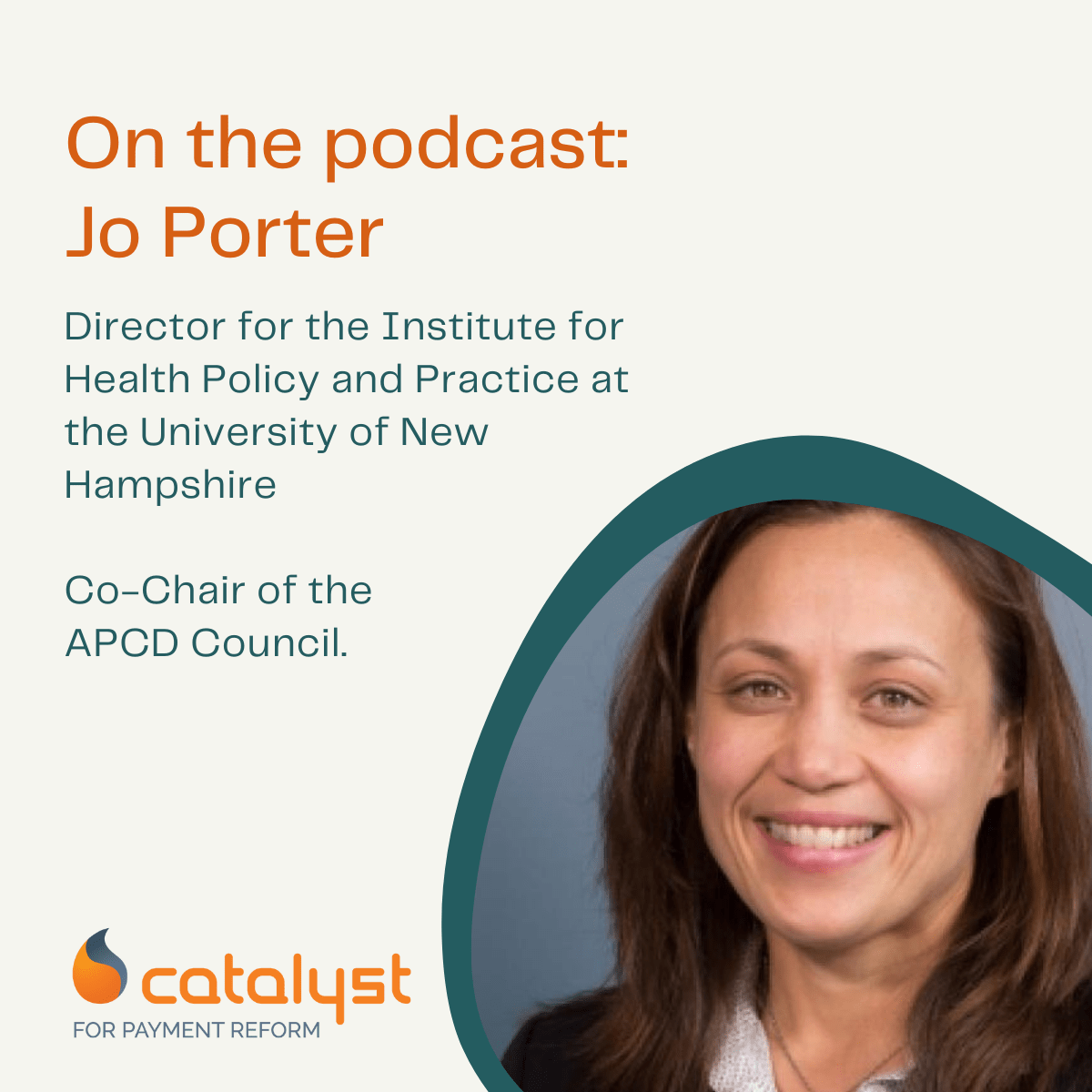
Suzanne and Jo discuss the recent growth in APCDs across the country, renewed federal interest in APCDs, how states are collecting and sharing the information in their APCDs, and data barriers. Suzanne and Jo also discuss the benefits of APCD data for employers and other health care purchasers looking to create high-value benefits and health care programs for members.

December is a time for reflection: both on the year that passed, and on the year to come. December is also a time for giving – regardless of one’s faith or lack thereof. This got us thinking at CPR: if we could give one gift to the American health care system in 2022, what would it be, and what can we at CPR do to make our wish-list a reality in the year to come?

In a prior blog article on the 2021 KFF Employer Health Benefits Survey, we noted that employers are in the eye of a hurricane and will have to confront some painful tradeoffs when costs spiral again. But the significant exceptions to employers’ “wait and see approach” to health care benefits during the first year of the COVID-19 pandemic are in the areas of telehealth and behavioral health, including at the intersection of the two.

KFF released results from its 2021 survey on trends in employer health benefits. The topline takeaway: not much has changed. Employers appear committed to maintaining the status quo, with a few key adaptations that speak to the necessities of managing health care benefits during a pandemic. In 2021, employers are in the eye of a hurricane, but what comes next?

Purchasers: how many times have you attended a meeting with your health plan that focused solely on high-level concepts and success stories, but not a meaningful, tactical conversation about the issues of greatest concern to you? CPR’s Health Plan User Groups (HPUGs) are like a client advisory group meeting, but turned upside down: the clients, not the health plans, set the agenda, offering a forum for a substantive and rich two-way dialogue.

Colorado passed legislation authorizing the creation of its APCD in 2010. Today, the database houses over 718 million medical, dental and pharmacy claims from 44 payers (including 35 commercial plans). What makes Colorado’s APCD so powerful, however, is its pairing with the publicly-facing reporting and analysis that CIVHC provides.

Employers and other health care purchasers – it’s time to step off of the sidelines and onto the field. Across CPR’s membership and broader audience, there has never been more innovation and agency among health care purchasers than there is today.

CPR published a collective set of demands that purchasers should include in their ASO agreements. When multiple purchasers ask for the same thing at the same time, it broadcasts a powerful signal to TPAs on purchaser priorities. Among these aspirational yet foundational expectations, the delivery is in the details. Here are three provisions of note in CPR’s latest model contract language.

CPR is hosting a FREE webinar series featuring innovative health purchasers and their strategies focused on bundled payment, health care disparities, and mental health.